Buy xxwwx.com ?
We are moving the project
xxwwx.com .
Are you interested in purchasing the domain
xxwwx.com ?
domain@kv-gmbh.de · 0541-91531010
Buy xxwwx.com ?
Should invasive species be controlled?
Yes, invasive species should be controlled because they can have negative impacts on native ecosystems, including outcompeting native species, altering habitats, and disrupting ecological processes. This can lead to a loss of biodiversity and ecosystem function. Controlling invasive species can help to protect and restore native ecosystems, which in turn can benefit the overall health of the environment and the species that depend on it. However, it is important to carefully consider the methods used for control to minimize harm to non-target species and the environment. **
Which invasive species are endangering amphibians?
One invasive species that is endangering amphibians is the American bullfrog (Lithobates catesbeianus). These bullfrogs are aggressive predators and compete with native amphibians for resources, leading to declines in native populations. Another invasive species that poses a threat to amphibians is the chytrid fungus (Batrachochytrium dendrobatidis), which causes the disease chytridiomycosis and has been linked to population declines and extinctions of amphibian species worldwide. Both of these invasive species are contributing to the decline of amphibian populations globally. **


Similar search terms for Invasive species
Top-Angebote
Products related to Invasive species:
-
Uplifted Goods Aquatic Species Isolation And Hatchery Management Habitat transparent 5.91x5.91x5.91inOptimize your underwater ecosystem with the Aquatic Species Isolation and Hatchery Management Habitat. This professional grade nursery solution is meticulously engineered with a highclarity acrylic frame designed to provide total visual monitoring...94,97 $*Shipping: 0,00 $Secure redirect to the provider
-
Lautapelit.fi Eclipse: 2nd Dawn for the Galaxy - Outcasts Species Pack - Board GameExpand your Eclipse: 2nd Dawn for the Galaxy game with the Outcasts Species Pack. This expansion introduces two new playable species: The Exiles and The Rho Indi Syndicate, offering fresh strategic possibilities for players familiar with the base game. The pack includes components for integrating both species into Eclipse: 2nd Dawn for the Galaxy, designed for use with the Eclipse: 2nd Dawn for the Galaxy board game. It's suitable for players looking to add variety and new approaches to their existing games. The base game is required, as this is an expansion rather than a standalone game.44,39 £*Shipping: 3,95 £Secure redirect to the provider
-
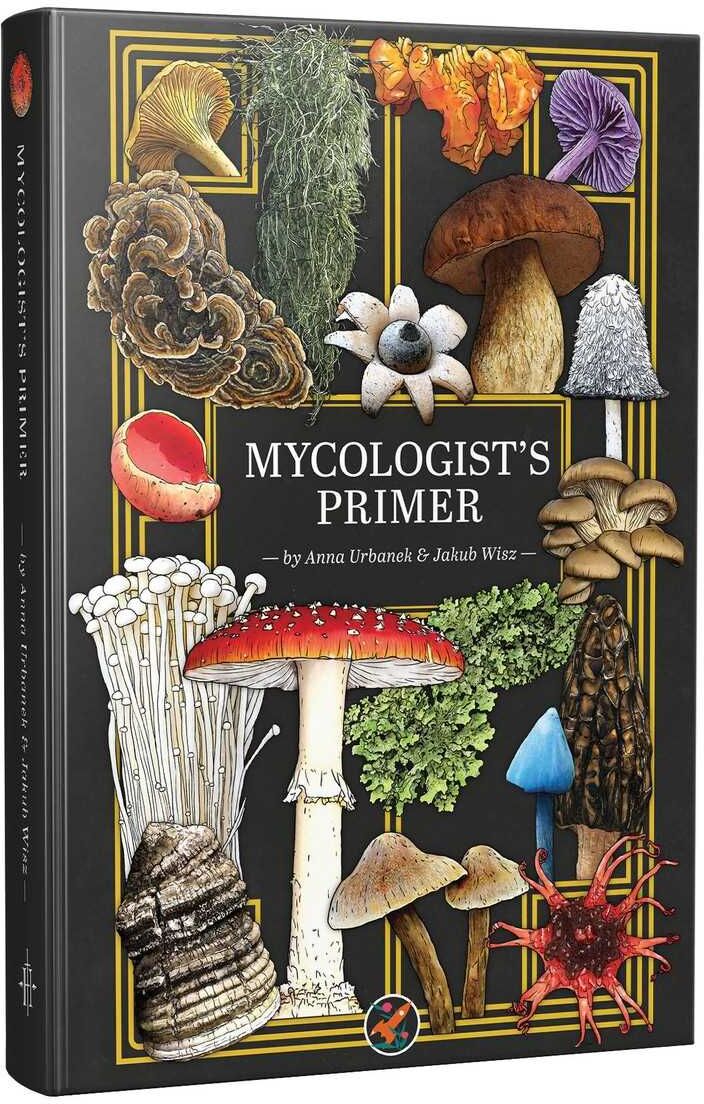
Renegade Game Studio Mycologist's Primer - 100 Species of Magical Mushrooms - Role-Playing Game GuideA comprehensive guide to magical mushrooms, lichens, and slime moulds, the Mycologist's Primer is an illustrated, system-agnostic resource for role-playing games, fiction, and imaginative world-building. This book explores 100 species through accessible notes on biology, habitats, distribution, and real-world folklore, including ideas for culinary and medicinal uses, toxicity, and practical mushroom-hunting considerations. The entries also draw from myths, legends, and occult traditions to provide imaginative magical properties. Suitable for a wide range of role-playing settings, this primer can be used as a source of inspiration for designing encounters, locations, ingredients, characters, or fictional cultures.45,09 £*Shipping: 3,95 £Secure redirect to the provider


-
Is it allowed to catch invasive crayfish species?
In many places, it is allowed to catch invasive crayfish species as they can have a negative impact on the local ecosystem. However, it is important to check local regulations and guidelines before catching any crayfish, as there may be specific rules in place to manage invasive species. It is also important to properly dispose of any caught invasive crayfish to prevent further spread and impact on the environment. **
-
Which invasive species pose a threat to amphibians?
Some invasive species that pose a threat to amphibians include the American bullfrog, which preys on native amphibians and competes with them for resources. The African clawed frog is another invasive species that can carry diseases harmful to amphibians. The cane toad is known for its toxic skin secretions that can be deadly to predators, including amphibians. These invasive species can disrupt the balance of ecosystems and contribute to the decline of native amphibian populations. **
-
What factors can promote the spread of invasive species?
The spread of invasive species can be promoted by various factors, including human activities such as international trade and travel, which can inadvertently transport invasive species to new locations. Climate change can also play a role, as it can create more favorable conditions for invasive species to thrive in new areas. Additionally, disturbances to ecosystems, such as deforestation or urbanization, can create opportunities for invasive species to establish themselves and outcompete native species. Finally, the absence of natural predators or competitors in a new environment can also contribute to the spread of invasive species. **
-
Do you not find the treatment of invasive species unfair?
The treatment of invasive species is not unfair because they pose a significant threat to native ecosystems, biodiversity, and the economy. Invasive species can outcompete native species for resources, disrupt food chains, and cause habitat destruction. Controlling and managing invasive species is necessary to protect the balance and health of ecosystems. While it may seem harsh to eradicate or control invasive species, it is essential for the preservation of native species and the overall health of the environment. **


What are the new invasive species of plants, animals, and insects?
Some of the new invasive species of plants include the mile-a-minute weed (Persicaria perfoliata) and the Japanese stiltgrass (Microstegium vimineum). In terms of animals, the Burmese python (Python bivittatus) has become a major invasive species in the Florida Everglades, while the Asian carp (Hypophthalmichthys spp.) has been causing issues in the Great Lakes region. Additionally, the spotted lanternfly (Lycorma delicatula) has been spreading rapidly in the United States and is causing damage to various crops and plants. These invasive species can have significant negative impacts on ecosystems, agriculture, and human health. **
What are non-invasive medical devices?
Non-invasive medical devices are tools or equipment that do not penetrate the body or break the skin during their use. These devices are designed to diagnose, monitor, or treat medical conditions without the need for surgery or other invasive procedures. Examples of non-invasive medical devices include blood pressure monitors, thermometers, and ultrasound machines. These devices are often preferred by patients and healthcare providers due to their lower risk of complications and ease of use. **
Top-Angebote
Products related to Invasive species:
-
Argital Toothpaste Bital Sage SpeciesHealth and Beauty Oral Care Argital Toothpaste Bital Sage Species Dentifric Salvia Bital Speci For dental hygiene and health and that of the entire oral cavity. Prevents the formation of dental plaque. A completely innovative idea is the use of non-abrasive green clay gel which together with other active ingredients, cleanse, tone, strengthen gums and prevent dental cavities. No preservatives, foaming agents, sweeteners, and/or fluoride. L'ALTRO COLLUTORIO - NEW: Natural mouthwash that contains green Clay gel, Silver water and Pineapple extract. Sweeteners and preservatives free. 100 ml SAGE TOOTHPASTE: For healthy gums, with green clay gel and pure sage essential oil. It contains Demeter ingredients. 75 ml. OMEOBITAL TOOTHPASTE: Contains green clay gel and pure essential oils of anise and lemon. It contains Demeter ingredients. 75 ml. MINT TOOTHPASTE: Refreshes with green clay gel and pure mint essential oil. It contains Demeter ingredients. 75 ml AROMATIC TOOTHPASTE: Prevents dental cavities. Spicy flavour. Contains green clay gel and 8 essential oils, including that of cloves. 75 ml PROPOLIS AND DENTIE TOOTHPASTE: Whitener and astringent with dentie, propolis, and pure peppermint essential oil. The mixture of vegetable carbon and sea salt gives dentie its characteristic black colour. 75 ml5,65 £*Shipping: 3,99 £Secure redirect to the provider
-
Uplifted Goods Aquatic Species Isolation And Hatchery Management Habitat transparent 5.91x5.91x5.91inOptimize your underwater ecosystem with the Aquatic Species Isolation and Hatchery Management Habitat. This professional grade nursery solution is meticulously engineered with a highclarity acrylic frame designed to provide total visual monitoring...94,97 $*Shipping: 0,00 $Secure redirect to the provider
-
Should invasive species be controlled?
Yes, invasive species should be controlled because they can have negative impacts on native ecosystems, including outcompeting native species, altering habitats, and disrupting ecological processes. This can lead to a loss of biodiversity and ecosystem function. Controlling invasive species can help to protect and restore native ecosystems, which in turn can benefit the overall health of the environment and the species that depend on it. However, it is important to carefully consider the methods used for control to minimize harm to non-target species and the environment. **
-
Which invasive species are endangering amphibians?
One invasive species that is endangering amphibians is the American bullfrog (Lithobates catesbeianus). These bullfrogs are aggressive predators and compete with native amphibians for resources, leading to declines in native populations. Another invasive species that poses a threat to amphibians is the chytrid fungus (Batrachochytrium dendrobatidis), which causes the disease chytridiomycosis and has been linked to population declines and extinctions of amphibian species worldwide. Both of these invasive species are contributing to the decline of amphibian populations globally. **
-
Is it allowed to catch invasive crayfish species?
In many places, it is allowed to catch invasive crayfish species as they can have a negative impact on the local ecosystem. However, it is important to check local regulations and guidelines before catching any crayfish, as there may be specific rules in place to manage invasive species. It is also important to properly dispose of any caught invasive crayfish to prevent further spread and impact on the environment. **
-
Which invasive species pose a threat to amphibians?
Some invasive species that pose a threat to amphibians include the American bullfrog, which preys on native amphibians and competes with them for resources. The African clawed frog is another invasive species that can carry diseases harmful to amphibians. The cane toad is known for its toxic skin secretions that can be deadly to predators, including amphibians. These invasive species can disrupt the balance of ecosystems and contribute to the decline of native amphibian populations. **
Similar search terms for Invasive species
-
Lautapelit.fi Eclipse: 2nd Dawn for the Galaxy - Outcasts Species Pack - Board GameExpand your Eclipse: 2nd Dawn for the Galaxy game with the Outcasts Species Pack. This expansion introduces two new playable species: The Exiles and The Rho Indi Syndicate, offering fresh strategic possibilities for players familiar with the base game. The pack includes components for integrating both species into Eclipse: 2nd Dawn for the Galaxy, designed for use with the Eclipse: 2nd Dawn for the Galaxy board game. It's suitable for players looking to add variety and new approaches to their existing games. The base game is required, as this is an expansion rather than a standalone game.44,39 £*Shipping: 3,95 £Secure redirect to the provider
-
Renegade Game Studio Mycologist's Primer - 100 Species of Magical Mushrooms - Role-Playing Game GuideA comprehensive guide to magical mushrooms, lichens, and slime moulds, the Mycologist's Primer is an illustrated, system-agnostic resource for role-playing games, fiction, and imaginative world-building. This book explores 100 species through accessible notes on biology, habitats, distribution, and real-world folklore, including ideas for culinary and medicinal uses, toxicity, and practical mushroom-hunting considerations. The entries also draw from myths, legends, and occult traditions to provide imaginative magical properties. Suitable for a wide range of role-playing settings, this primer can be used as a source of inspiration for designing encounters, locations, ingredients, characters, or fictional cultures.45,09 £*Shipping: 3,95 £Secure redirect to the provider
-
Wingspan European Expansion for Board Games, Ages 10+, by Stonemaier Games, European Bird Species, New AbilitiesExpand your Wingspan collection with birds from across Europe. This board game expansion introduces regal, beautiful, and varied European bird species, each bringing fresh possibilities to your games. The new bird cards feature a range of abilities designed to add variety and strategic depth. Some birds provide effects at the end of each round, while others increase interaction between players or reward you for managing excess cards and food. This expansion is designed for players looking to broaden the scope of their Wingspan games with additional cards and varied gameplay effects. From Stonemaier Games, the makers of Wingspan, this expansion is a great addition to your collection.17,59 £*Shipping: 3,95 £Secure redirect to the provider
-
Fireshine Games World of Goo 2 for Nintendo Switch - Physics-based Puzzles, New Goo Species, Local Co-op PlayBuild a bigger world of physics-based puzzles in World of Goo 2 for Nintendo Switch. Use curious living Goo creatures to construct bridges, raise towers, reshape terrain, and power unusual flying machines. Every stage encourages experimentation as structures bend, liquids flow, and ambitious plans threaten to collapse. Discover new Goo species with distinctive properties, including Jelly Goo, Liquid Launchers, Growing Goo, Shrinking Goo, and Explosive Goo. Learning how each creature behaves is key to guiding as many Goo Balls as possible towards the exit pipe. Explore five story chapters containing over 60 levels, and solve challenges using physics, fluids, and creative construction. Enjoy dozens of atmospheric musical tracks, and play in TV, tabletop, or handheld mode. Build together with local co-operative play for up to four players.29,49 £*Shipping: 3,95 £Secure redirect to the provider
-
What factors can promote the spread of invasive species?
The spread of invasive species can be promoted by various factors, including human activities such as international trade and travel, which can inadvertently transport invasive species to new locations. Climate change can also play a role, as it can create more favorable conditions for invasive species to thrive in new areas. Additionally, disturbances to ecosystems, such as deforestation or urbanization, can create opportunities for invasive species to establish themselves and outcompete native species. Finally, the absence of natural predators or competitors in a new environment can also contribute to the spread of invasive species. **
-
Do you not find the treatment of invasive species unfair?
The treatment of invasive species is not unfair because they pose a significant threat to native ecosystems, biodiversity, and the economy. Invasive species can outcompete native species for resources, disrupt food chains, and cause habitat destruction. Controlling and managing invasive species is necessary to protect the balance and health of ecosystems. While it may seem harsh to eradicate or control invasive species, it is essential for the preservation of native species and the overall health of the environment. **
-
What are the new invasive species of plants, animals, and insects?
Some of the new invasive species of plants include the mile-a-minute weed (Persicaria perfoliata) and the Japanese stiltgrass (Microstegium vimineum). In terms of animals, the Burmese python (Python bivittatus) has become a major invasive species in the Florida Everglades, while the Asian carp (Hypophthalmichthys spp.) has been causing issues in the Great Lakes region. Additionally, the spotted lanternfly (Lycorma delicatula) has been spreading rapidly in the United States and is causing damage to various crops and plants. These invasive species can have significant negative impacts on ecosystems, agriculture, and human health. **
-
What are non-invasive medical devices?
Non-invasive medical devices are tools or equipment that do not penetrate the body or break the skin during their use. These devices are designed to diagnose, monitor, or treat medical conditions without the need for surgery or other invasive procedures. Examples of non-invasive medical devices include blood pressure monitors, thermometers, and ultrasound machines. These devices are often preferred by patients and healthcare providers due to their lower risk of complications and ease of use. **
* All prices are inclusive of VAT and, if applicable, plus shipping costs. The offer information is based on the details provided by the respective shop and is updated through automated processes. Real-time updates do not occur, so deviations can occur in individual cases. ** Note: Parts of this content were created by AI.